
Manzanita
Recover from a Mental Health Crisis in a Home-Based Environment
Interim, Inc.’s Manzanita provides a temporary home for recovery from a mental health crisis. Our residential treatment program may be appropriate if you or a loved one:
- Recently experienced a mental health crisis.
- Are stepping down from psychiatric hospitalization.
- Need more support than weekly therapy.
- Are struggling to remain stable in the community.
- Need medication support and symptom stabilization.
- Would benefit from a structured recovery enviornment.



Therapeutic Services
Our program focuses on three fundamental components of a successful recovery:
- Resolving the mental health crisis.
- Learning how to avoid a recurrence.
- Developing coping strategies to maintain well-being in the community.
The therapeutic services in our residential treatment program include:
- Group and individual therapeutic services.
- Psychiatric services including medication management.
- Activities geared toward helping to restore, maintain, and apply interpersonal and independent living skills.
- Referrals for further treatment and/or support services to ease the transition into community living.

Treatment
During Treatment, Residents May Participate In:
- Individual Counseling
- Group Therapy
- Motivational Interviewing
- Cognitive Behavioral Therapy (CBT)
- Dialectical Behavioral Therapy (DBT)
- Harm Reduction
- Seeking Safety
- Wellness Recovery Action Plan
These modalities are tailored to the client’s specific mental and behavioral health needs. We provide a full evaluation to ensure the services being offered align with the client’s needs.
Residential Treatment Program Structure
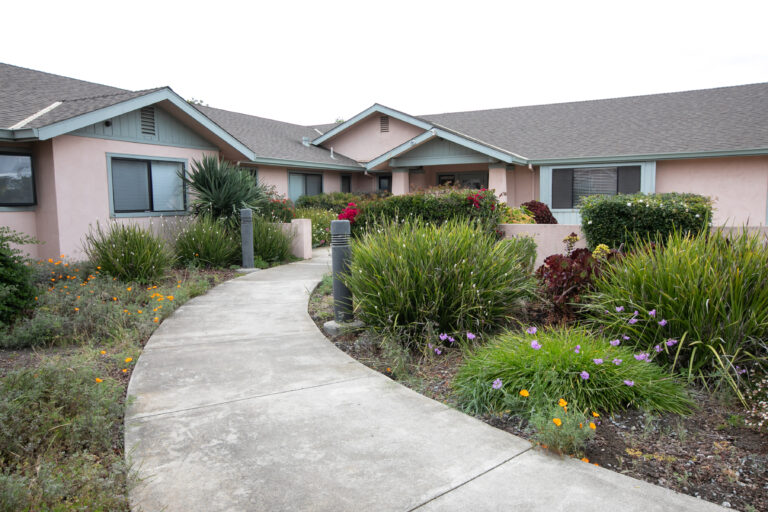
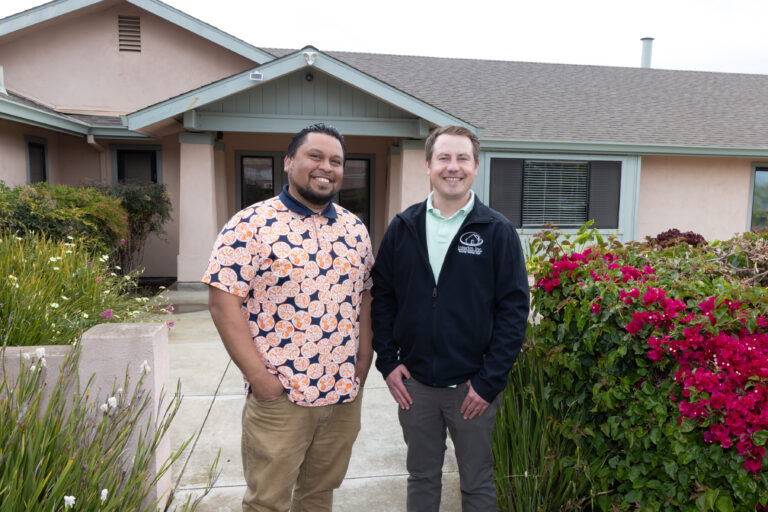
The length of stay depends on the client’s needs and insurance authorization. The maximum length of stay may be up to 30 days depending on clinical evaluation and authorization provided by the client’s health insurance provider. Located in Monterey and Salinas California, our program operates 24/7, and our clients receive structured care in a non-institutional, home-like environment. Our team of professionals includes licensed, license waivered, and trained counseling staff who provide medication support services, psychiatric services, counseling, and therapy, as needed.
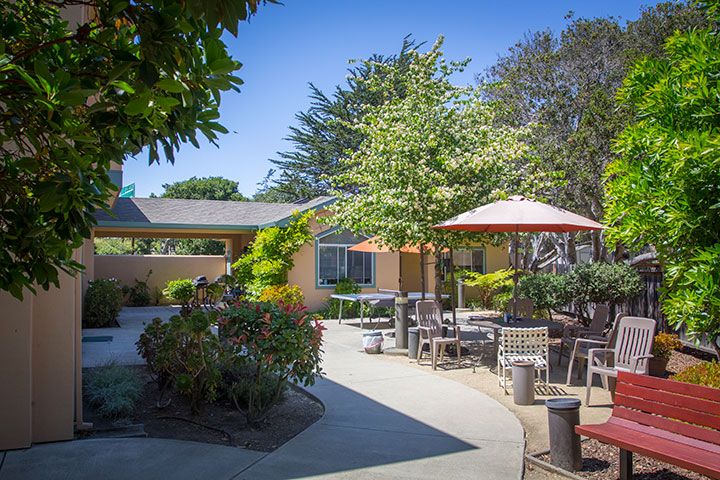
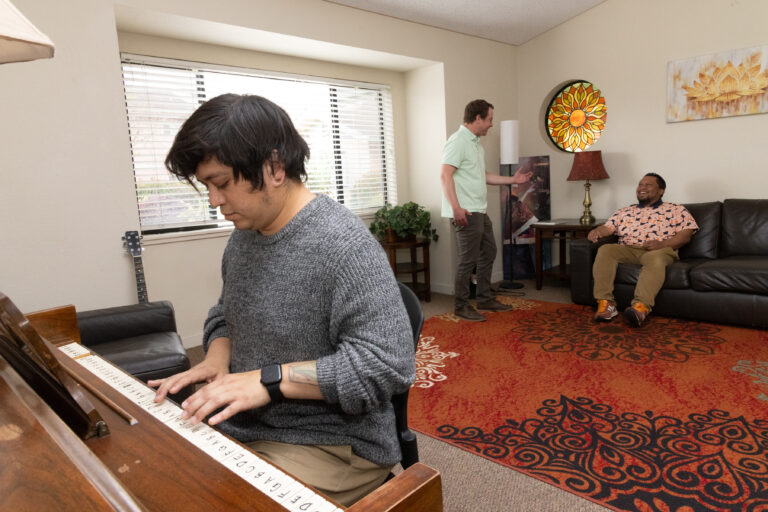
We provide a safe and comfortable environment for our clients, including living quarters, recreational areas, and counseling rooms.
Frequently Asked Questions
Manzanita Residential Treatment is designed for adults experiencing significant mental health challenges who need more support than weekly outpatient therapy can provide, but do not require hospitalization. Individuals may benefit from residential treatment if they are experiencing worsening symptoms, difficulty maintaining stability in the community, or are transitioning from a psychiatric hospital and need continued support before returning home.
Length of stay varies based on individual needs, treatment goals, and insurance authorization. Many individuals remain in treatment for several weeks, while others may benefit from a longer stay to build stability, strengthen coping skills, and prepare for a successful transition back into the community.
While both provide support during a mental health crisis, residential treatment offers a more home-like, recovery-focused environment. Psychiatric hospitals are designed for short-term crisis stabilization, while residential treatment allows individuals to focus on recovery, skill-building, medication management, and long-term wellness in a less restrictive setting.
Yes, maintaining family and social connections is an essential part of recovery. Family members and significant others are welcome to visit Mondays through Sundays during designated visiting hours.
Yes. Residential treatment is often recommended as a step-down level of care following psychiatric hospitalization. Our team regularly works with hospitals, providers, families, and insurance companies to help coordinate a smooth transition into treatment when appropriate.
Many commercial insurance plans cover residential mental health treatment when it is medically necessary. Interim works with numerous insurance providers, including Anthem Blue Cross, Blue Shield of California, Aetna, Kaiser Permanente, Optum, CCAH and others. Coverage and authorization requirements vary by plan.
Our admissions team can verify your benefits and help explain available coverage before treatment begins. Give us a call at (831) 216-1085 or visit our online form to get started.
Many individuals entering residential treatment are experiencing conditions such as major depression, bipolar disorder, schizophrenia, schizoaffective disorder, anxiety disorders, trauma-related conditions, or other serious mental health challenges. A clinical assessment helps determine whether residential treatment is the appropriate level of care.
If a residential treatment program does not meet your needs or those of a family member, other treatment options are available, including:
- Outpatient program for more flexible scheduling
- Day treatment/partial hospitalization program for structured daily support
Our admissions team can guide you toward the most suitable level of care. Visit our admissions page for more details.
Ready to Take the Next Step?
If you or someone you know is experiencing a mental health crisis, Manzanita can provide the support and care needed to begin the journey to recovery. Our program offers community-based rehabilitative services. We collaborate with each client to develop a safe discharge plan that includes stabilization on medication, if appropriate, and the implementation of coping strategies to manage symptoms to maintain well-being in the community.
Call Admissions: (831) 216-1085 or fill out our online form.
- Verify Insurance Benefits
- Schedule an Assessment
- Discuss Treatment Options